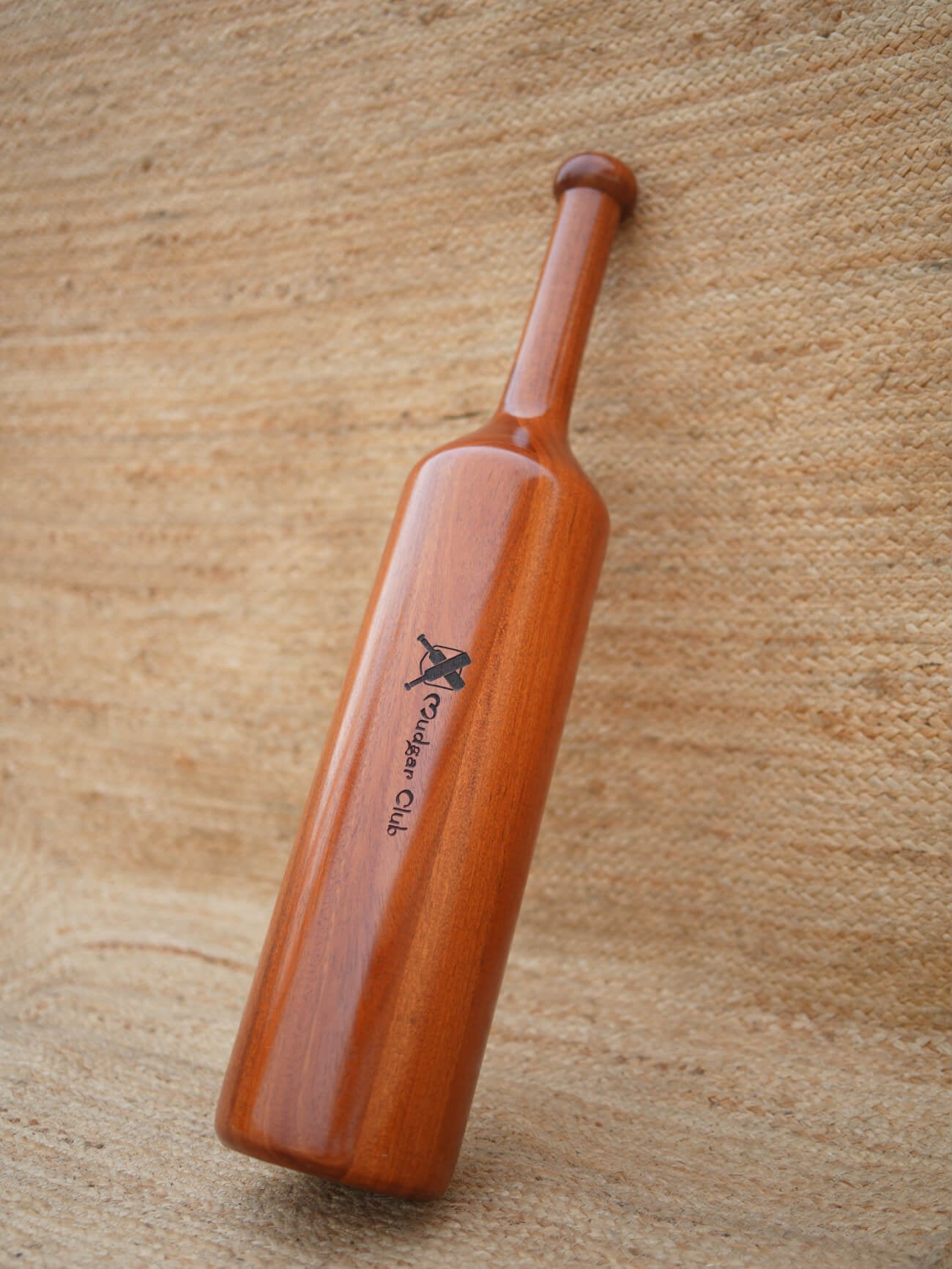
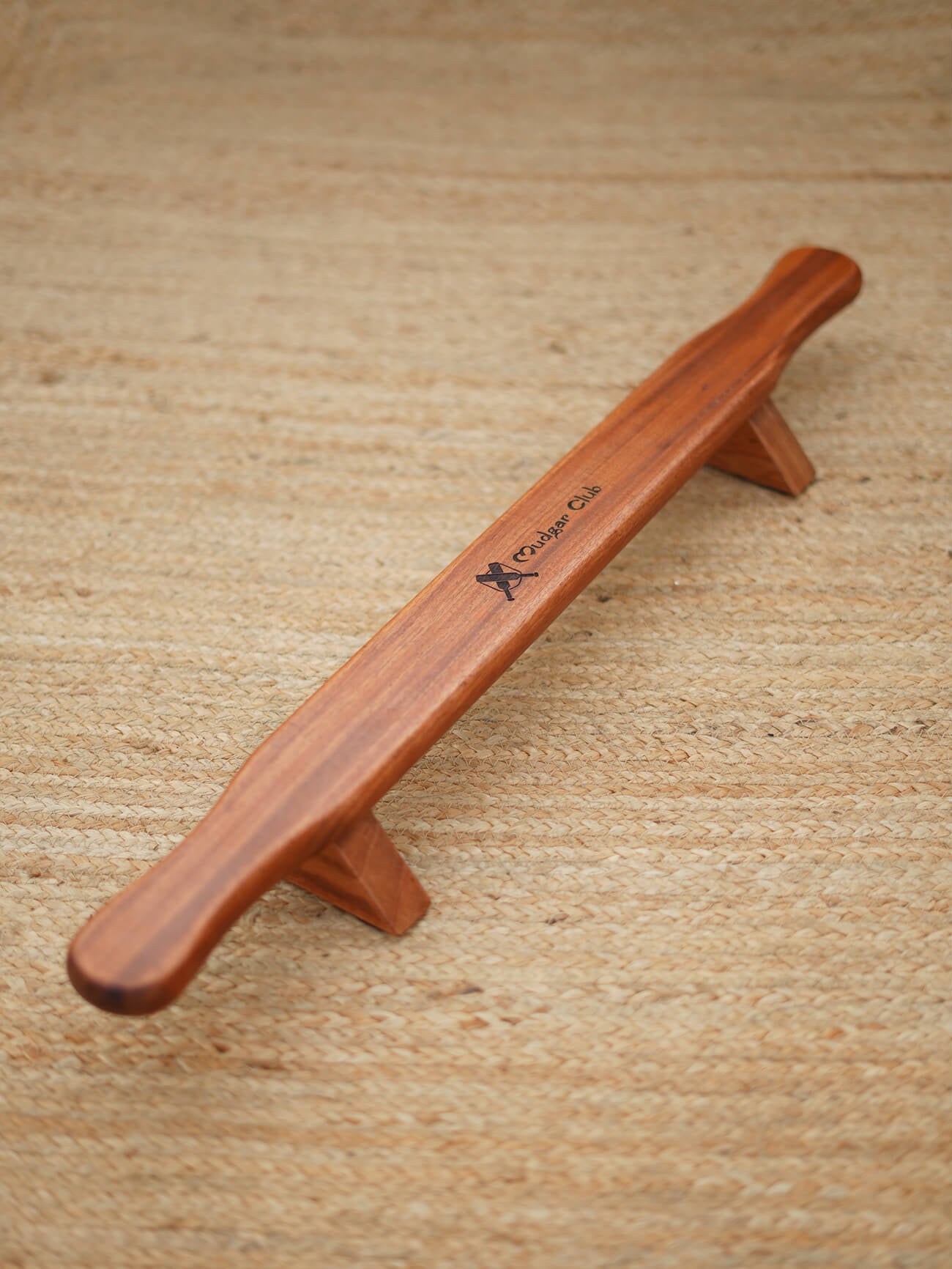
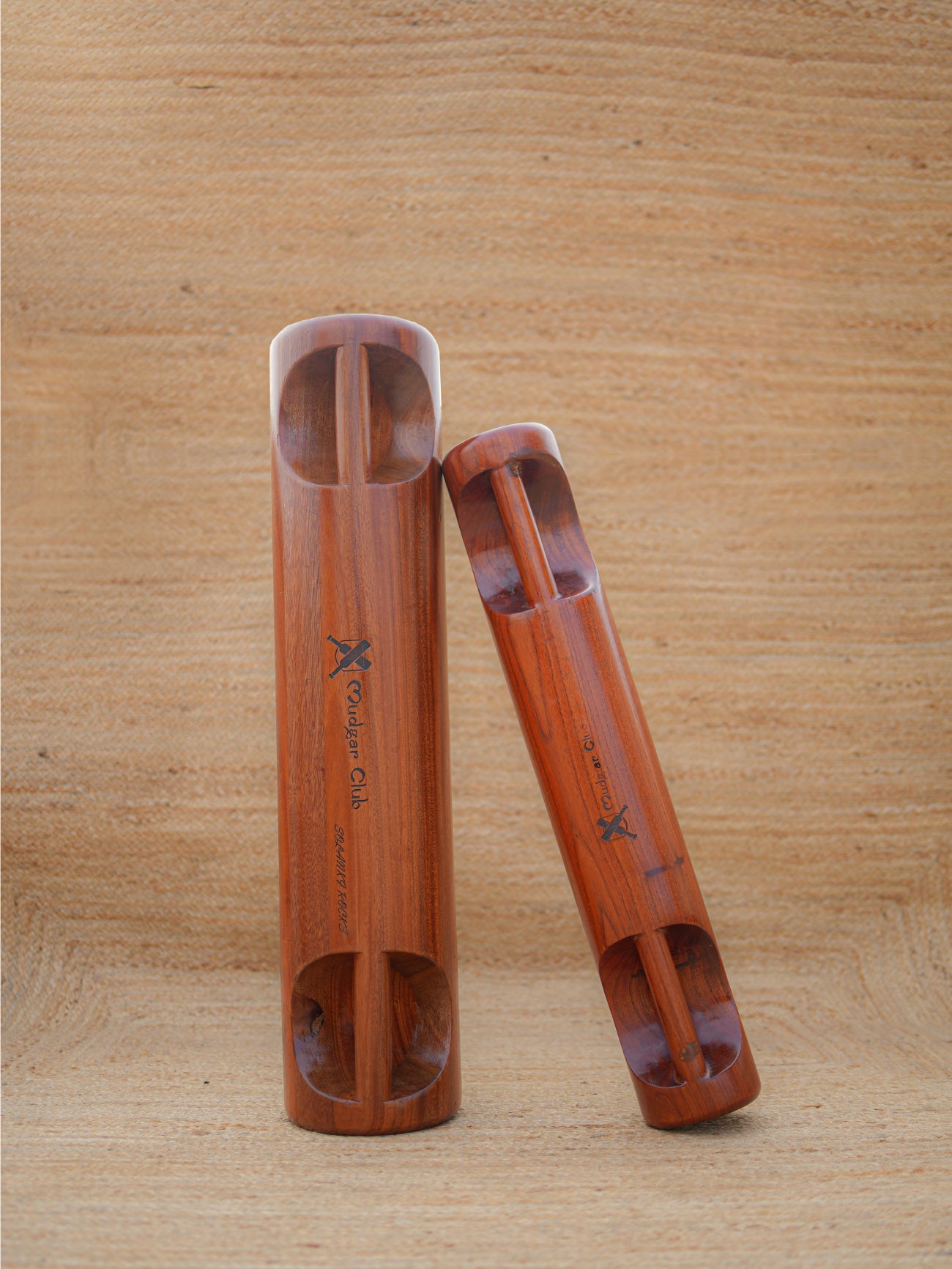
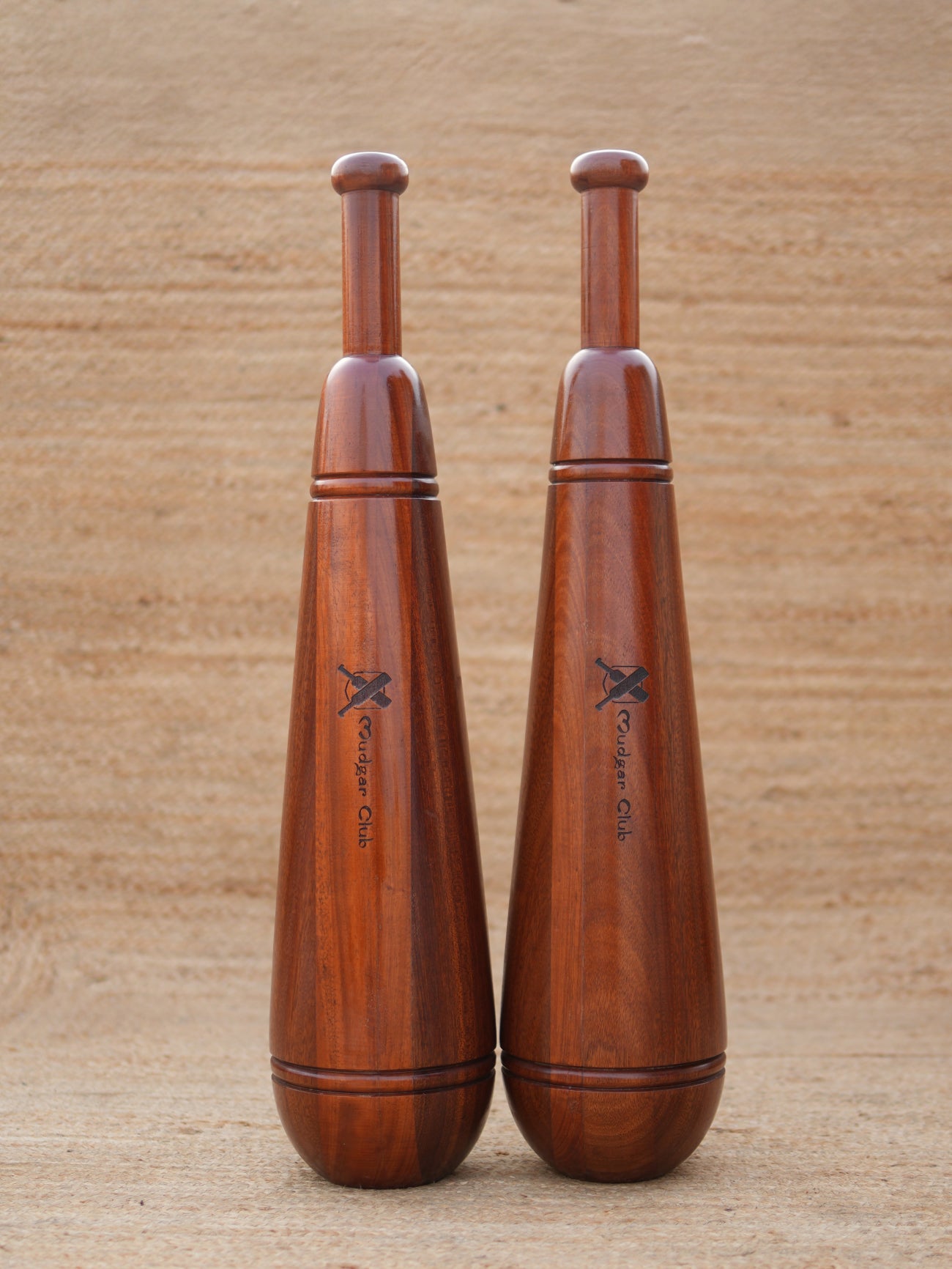
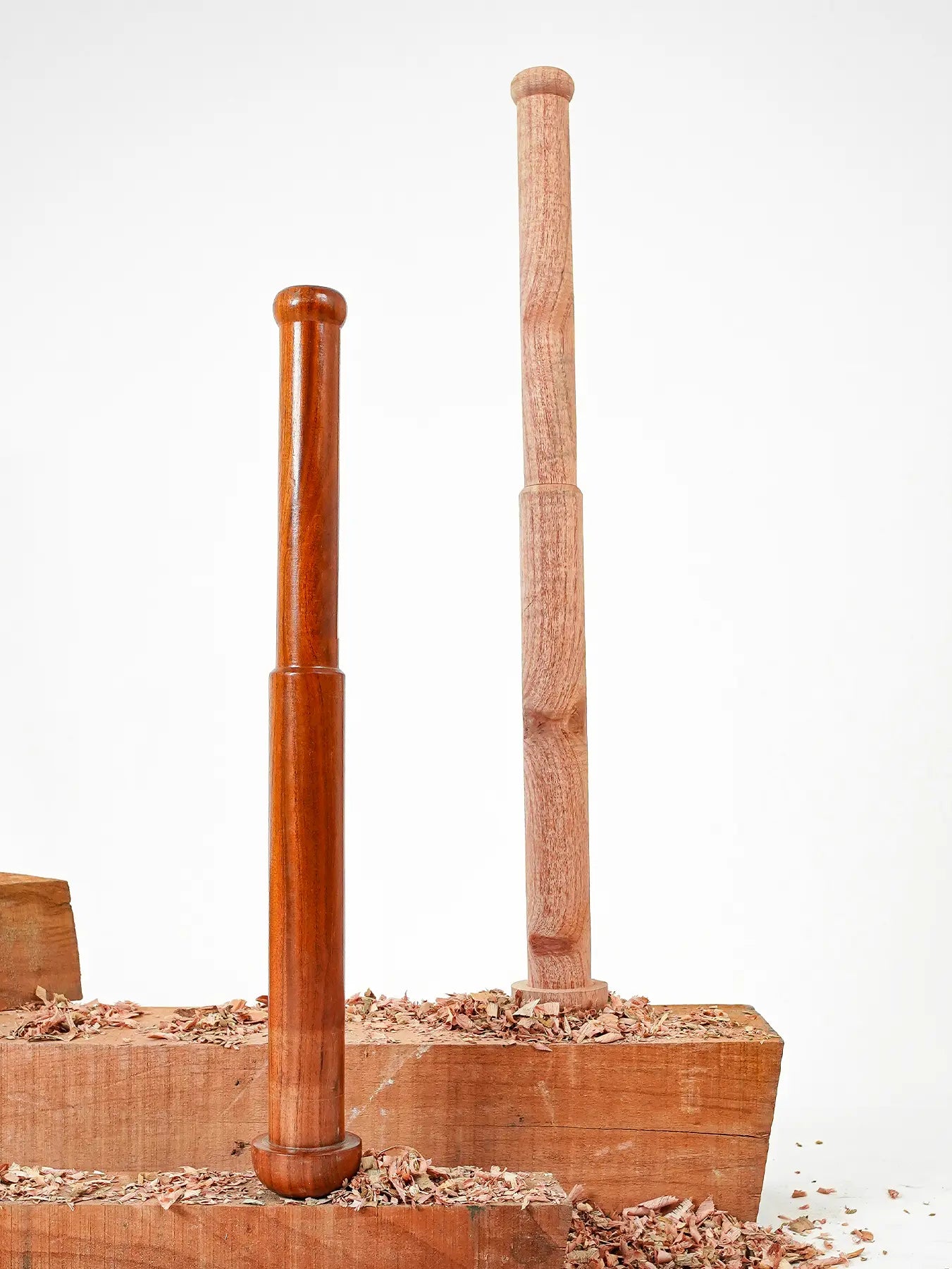
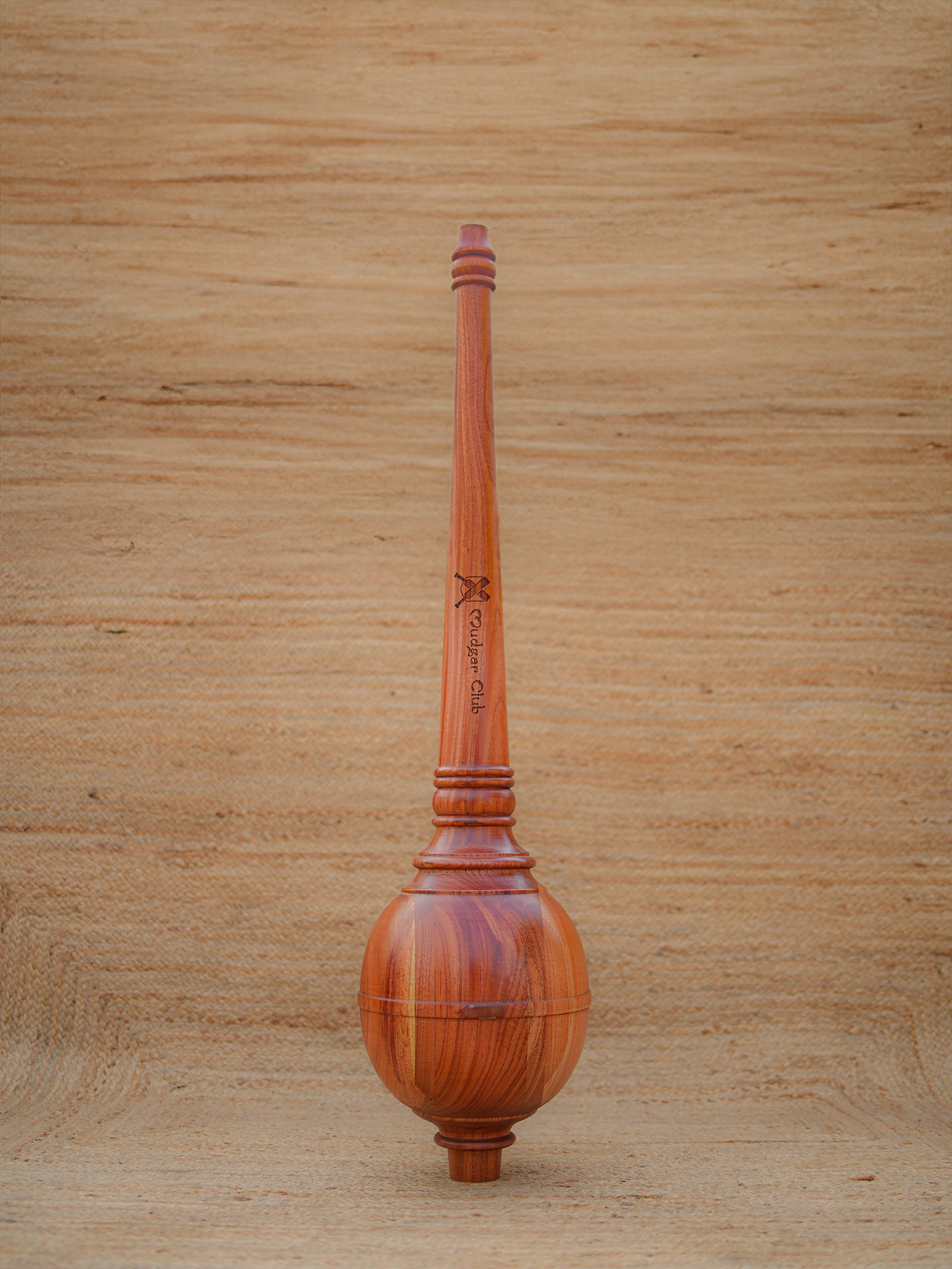
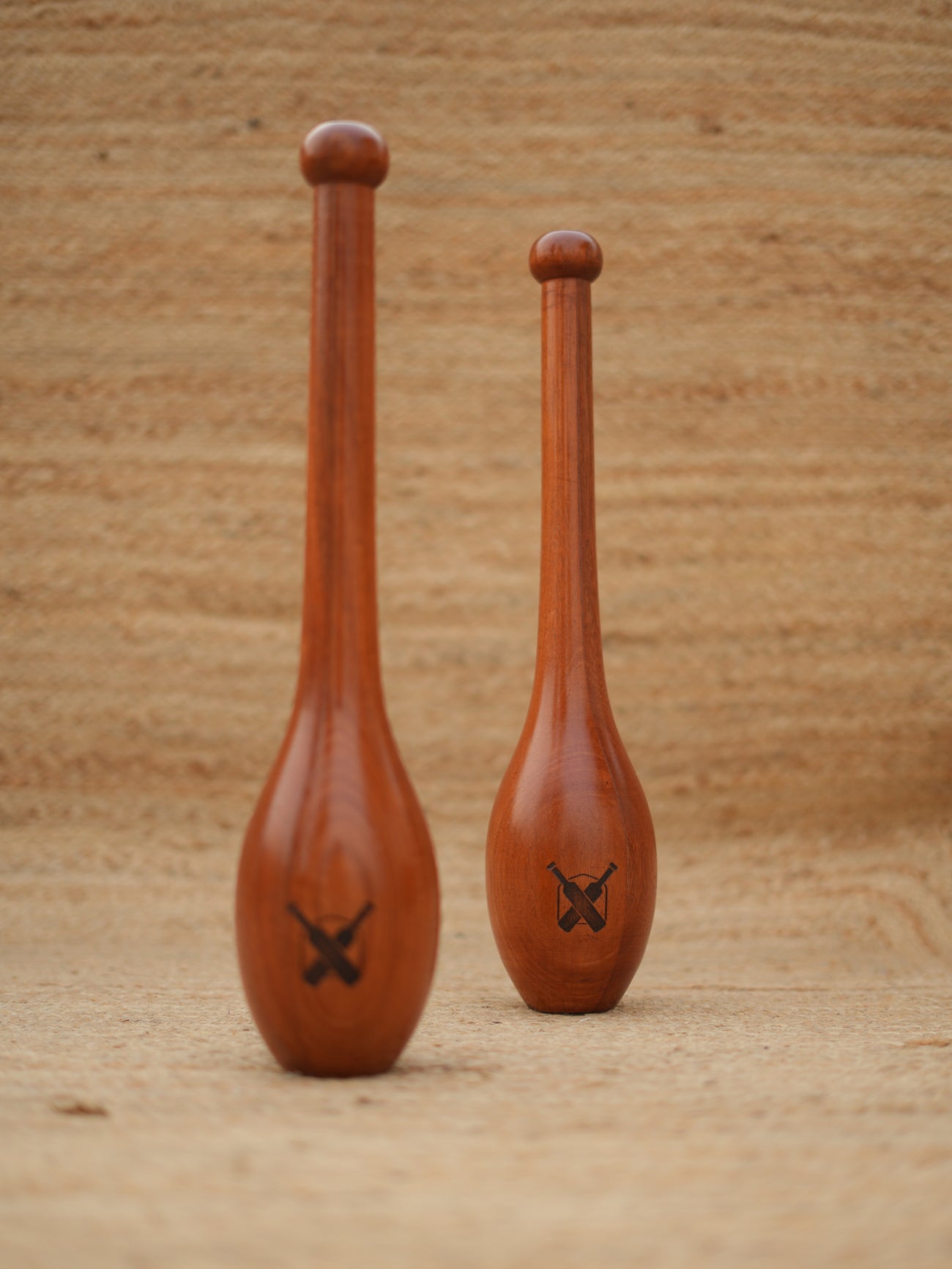
The mace is one of the oldest tools created by humans. Long before modern gyms or fitness tools existed, the mace was used for survival, war, strength, and authority. Over thousands of years, it evolved from a simple stone club into a powerful weapon, and later into a symbol of leadership and tradition. This blog takes you through the complete history of the mace in a clear and easy-to-understand way.
Origins of the Mace: Prehistoric Times
The story of the mace begins in prehistoric times, long before written history. Early humans depended on simple tools to survive. One of the most basic weapons they used was the wooden club. It was easy to make and helped in hunting animals and protecting themselves from danger.
To increase the power of these clubs, humans started attaching heavy stones to one end using leather straps, plant fibers, or rawhide. This small improvement made a big difference. The added weight allowed the user to hit harder while using less energy. This simple but effective idea led to the creation of the earliest form of the mace.
These early maces were rough and unpolished, but they were very effective for close combat. Over time, people began shaping the stone heads into round, oval, or disc-like forms. This made the weapon more balanced and easier to control. Better balance also meant stronger and more accurate strikes.
As humans learned from experience, the mace slowly evolved from a survival tool into a recognized weapon. This early development laid the foundation for more advanced maces that would appear in ancient civilizations.
The Mace in Ancient Civilizations
As human societies grew and became more organized, the mace slowly changed from a simple survival tool into a powerful weapon and an important symbol of authority. Ancient civilizations improved its design and also gave it cultural and political meaning.
Ancient Egypt and Mesopotamia
In Ancient Egypt, the mace was widely used by warriors during battles. It was usually made from stone, copper, or later bronze, with a strong wooden handle. The heavy head of the mace helped soldiers break through shields and armor. However, the mace was not only used for fighting.
Many Egyptian wall carvings, statues, and artworks show kings and pharaohs holding a mace in their hand. This showed their strength, control, and right to rule. For Egyptian rulers, the mace symbolized power, protection, and leadership. It represented the king’s duty to defend his people and maintain order.
In Mesopotamia, the mace also played an important role in both warfare and leadership. Soldiers used maces in combat, especially against well-protected enemies. At the same time, the mace became a sign of rank and respect. Some ancient records even mention titles like “Lord of the Mace,” which proves how closely the weapon was linked to authority and command.
In both civilizations, the mace was more than just a tool of war. It became a symbol of strength, justice, and leadership. This shift from a simple weapon to a symbol of power laid the foundation for the mace’s continued importance in later cultures and time periods.
The Mace in Indian History
In India, the mace is known as the gada, and it has deep roots in Indian history, mythology, and physical culture. Unlike many weapons that disappeared with time, the gada remained important both in warfare and strength training.
The great Indian epics Mahabharata and Ramayana describe mace combat in great detail. Warriors trained specifically in gada-yuddha, which means mace fighting. Among all warriors, Bhima is the most famous mace fighter. His strength, discipline, and fighting style are closely linked with the gada. Similarly, Hanuman is almost always shown holding a gada, symbolizing power, devotion, and control over the body and mind.
In ancient India, the gada was more than just a weapon. It was a test of strength, balance, and endurance. Only physically strong and well-trained warriors could handle it properly. Because of its heavy, uneven weight, the gada required full-body control, not just arm strength.
Over time, the gada became an important training tool for wrestlers (pehlwans). Traditional Indian wrestlers used heavy wooden or metal gadas to build shoulder strength, grip power, and core stability. This training helped them perform better in kushti (traditional wrestling) and prevented injuries.
Even today, the tradition continues in akharas and traditional gyms across India. Modern fitness tools like the steel mace are inspired by this ancient Indian practice. The gada stands as a symbol of India’s rich strength-training heritage, showing that functional fitness existed long before modern gyms.
The Mace in Ancient Persia and Rome
In Persia, the mace (called Gorz) was widely used by heavily armored soldiers and cavalry. It was very effective against armor, where swords often failed.
The Romans, however, used maces less frequently. Their fighting style focused more on spears and short swords. Still, some Roman soldiers and allies did use clubs and maces in specific battles.
Medieval Europe: The Golden Age of the Mace
During the Middle Ages, the mace became extremely popular in Europe. As metal armor improved, swords were no longer enough. The mace, with its heavy head and sometimes sharp flanges, could crush or dent armor.
Flanged maces were designed to focus force on small points, making them deadly against armored knights. Maces were cheap to make, easy to use, and very effective.
There is also a popular belief that clergy used maces because they did not “shed blood,” though historical evidence for this is limited.
Eastern Europe and Asia
In Eastern Europe, maces like the pernach and bulawa were common. These maces were often carried by military leaders as symbols of command.
In Asia, especially in India and Persia, steel maces and gada-style weapons continued to be used for both combat and training. Over time, some maces became more decorative and ceremonial.
Maces in the Modern Era
Even in modern times, the mace did not completely disappear.
-
During World War I, soldiers used trench clubs, which were modern versions of maces, for close combat.
-
In recent conflicts, makeshift maces have occasionally appeared when firearms were restricted.
-
Today, maces are rarely used as weapons but remain important in ceremonies.
Ceremonial and Symbolic Use Today
Today, maces are mostly used as symbols of authority.
-
Parliaments in countries like the UK use ceremonial maces to show that the house is in session.
-
Universities carry maces during convocations to represent knowledge and independence.
-
Military bands use maces for parade commands.
The mace has shifted from a weapon of war to a symbol of order, discipline, and leadership.
Conclusion
The history of the mace is long, powerful, and deeply connected to human progress. From a simple stone club used for survival to a feared battlefield weapon, and finally to a symbol of authority and tradition, the mace has constantly evolved. In India, it became both a weapon and a training tool, blending strength with discipline. Even today, its influence lives on through ceremonial use and modern fitness tools. The mace reminds us that true strength is not just about power, but also balance, control, and purpose. For more such informative article visit Mudgar Club!
Check out Mudgar club's Wooden Mace!!